Introduction
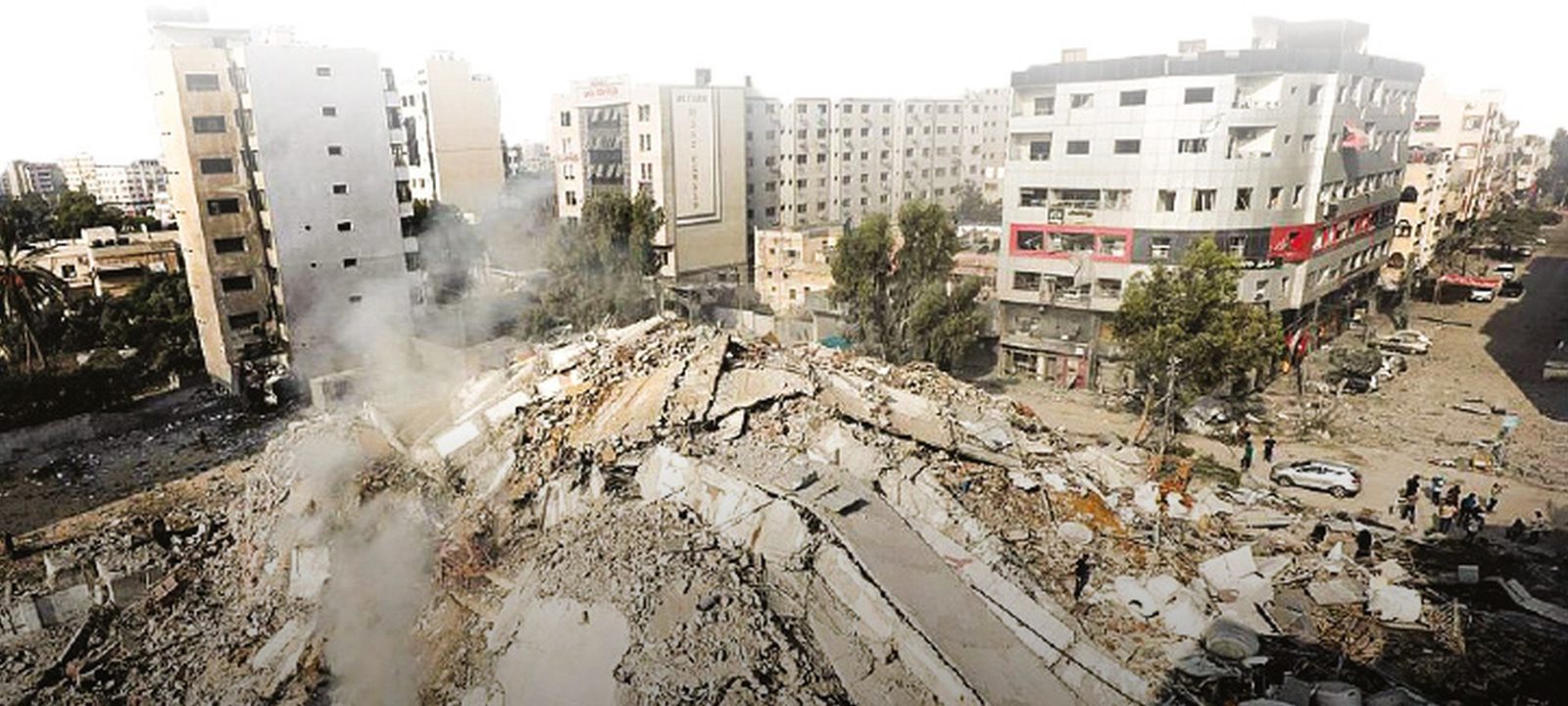
The unimaginable horrors of the Zionist genocide in Gaza have left many feeling grief, anger and frustration. Yet the past three years have also shown that real change is possible.
Sustained activism has produced seismic shifts in public opinion, brought Palestine to the centre of political debate and forced governments, companies and institutions to respond to demands they once ignored.
Zionism is in crisis.
Its claims to moral legitimacy have been shattered, Israel is increasingly isolated, and support for Palestinian liberation has entered spaces from which it was previously excluded. These changes are proof that our efforts are not in vain and that organised and relentless pressure can dramatically alter the political landscape.
But crisis is not defeat.
The genocide continues and Israel is still protected by powerful governments and institutions. Our response must therefore become more concerted, coordinated and strategic. With our du’as and ritual worship as the bedrock, we must turn awareness and outrage into sustained action.
This guide provides practical ways for every individual to contribute, from social media activism and strategic boycotts to digital campaigns, political lobbying and supporting advocacy groups. It should not be treated as a list of isolated actions, but as a framework for collective action that actually works.
Ten Key Messages
01This did not start on October 7th, 2023
- October 7 wasn’t a cause, but a symptom of over a century of Israeli oppression, dispossession, and murder of Palestinians
- The global focus on the events of October 7 only serves to emphasise the decades of indifference to the ethnic cleansing (1948), brutal Israeli occupation, and the unimaginable atrocities and injustices, that Palestinians have endured.
02Israel does not have the right to self-defence
- Israel has been internationally recognised as an occupying power since 1967.
- Under international law, Israel does not have the right to self-defence against the West Bank and the Gaza Strip.
- Articles 47–78 of the Geneva Conventions impose substantial obligations on occupying powers; it is nonsensical for a settler colony such as Israel to claim self-defence against the native population it is colonising.
03The Palestinians have a legal right to resist
- Under International law, Palestinians have a legal right to armed struggle against occupation, to achieve self-determination and liberation.
- The UN General Assembly Resolution 37/43 asserts “the legitimacy of the struggle of peoples for independence, territorial integrity… and liberation from colonial and foreign domination / occupation by all available means, including armed struggle”.
04Israel has turned the Gaza Strip into a concentration camp
- Despite withdrawing in 2005, Israel maintains a brutal, full blockade of Gaza with complete control over its borders, access to water, communications and internet, electricity, fuel, food and medical aid.
- Nothing enters or leaves Gaza without Israeli permission, making it the biggest open-air prison in the world.
- Before October 7, Israel deliberately “put Palestinians on a diet” by restricting food, and “mows the lawn” by periodically bombarded Gaza, killing thousands each time.
05Israel is committing a genocide against the Palestinians
- Amnesty International, Israeli rights group B’Tselem, a UN Commission of Inquiry and the International Association of Genocide Scholars have all concluded that Israel is committing genocide in Gaza.
- On 26 January 2024, the International Court of Justice (ICJ) ruled that Israel is ‘plausibly’ committing genocide in Gaza.
- Genocide is defined as the intentional destruction of a national, ethnic, racial, or religious group, in whole or in part.
06Israel fabricated atrocities on October 7th to justify its genocidal campaign in Gaza
- The claims of systematic rape, beheaded babies and other violent acts, parroted by the West have been proven false.
- The unique barbarity of the fabrications provided the pretext for the genocide of Palestinians.
- At the heart of this grand scandal are two Israeli disaster relief groups, ZAKA and United Hatzalah, who invented and then spread malicious propaganda.
07Palestinian groups do not use ‘human shields’ – Israel does
- The claim that Hamas uses civilians as human shields is unsubstantiated and has never been independently verified.
- It’s a convenient smokescreen, enabling Israel to disproportionately target Palestinian civilians and civilian infrastructure.
- Meanwhile, Israeli human rights group B’Tselem has documented hundreds of cases of Palestinians being used as human shields by the Israeli army.
08Israel is illegally holding thousands of Palestinians captive
- Since October 7, arbitrary arrests have soared with Palestinian hostages numbering 9,623 with at least 3,176 held without charge or trial as of Sept 2026.
- There are multiple confirmed reports of torture, abuse and systematic rape of Palestinian hostages in Israeli prisons, ignored by the media.
- As of May 2026, Israel passed a law to impose the death penalty and conduct public trials for Palestinian hostages.
09Criticising the actions of Israel is not anti-Semitic
- Zionism is not Judaism; it is a colonial, racial supremacist ideology founded on the expansionist concept of a Greater Israel, spanning well beyond the Jordan River and the Mediterranean Sea.
- Zionists strategically conflates Israel and Zionism with Judaism to deflect legitimate criticism.
- This tactic preys on Western guilt for allowing the horrors of WWII and also purports to absolve Israel’s allies from placing pressure on Israel to comply with international law.
- Meanwhile, the Palestinian slogan of liberation “from the river to the sea” is denounced as antisemitic or genocidal, despite the fact that the “Greater Israel” concept envisions territorial claims that surpass even these geographical boundaries.
10This is not complicated
- Contrary to what many claim, this ‘conflict’ does not date back thousands of years, nor is it fundamentally religious in nature.
- The solution is very simple: Israel must comply with international law. UN Resolution 242, adopted unanimously by the UN Security Council on November 22, 1967, calls for Israel’s immediate withdrawal from all occupied territories and the acknowledgement of the sovereignty, territorial integrity and political independence of every State in the area.
- While Palestinian groups, including Hamas, have accepted this settlement, Israel continues to oppose it in word and action, expanding illegal settlements and destroying any possibility of a future Palestinian state.
Strategic Boycotts & Ethical Purchasing
What’s the problem?
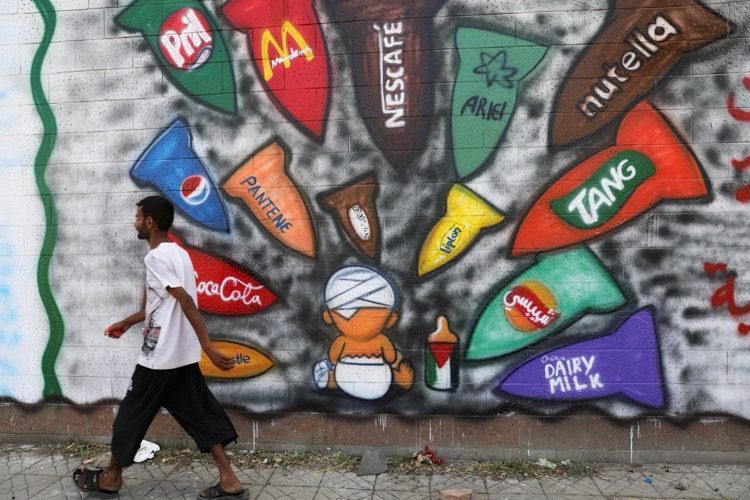
Our money does not exist in isolation from the companies and institutions we spend it with. There are a plethora of multi-national companies, academic institutions, and financial groups connected to Israel through investment, contracts, supply chains, technology, financial services or commercial activity.
But effective boycotting does not simply mean trying to avoid every company appearing on a social media graphic. Concentrating collective pressure on a smaller number of carefully selected companies can be more effective than trying to boycott an enormous and constantly changing list of brands.
Who has the ability to do something about it?
We all do, particularly when we act collectively.
One person changing a purchase is a personal decision. Hundreds of customers changing their purchasing habits, a restaurant changing supplier, a masjid changing its procurement policy or a university reviewing a contract can create a much larger commercial signal.
We all therefore have a role to play in campaigning for institutional change that could eventually lead to significant change.
The objective should therefore be bigger than:
“What can I stop buying?”
We should also be asking:
- What spending can we collectively redirect?
- What organisations can we persuade to change their purchasing?
- What specific outcome are we trying to achieve?
What action can we take?
1Know what to boycott
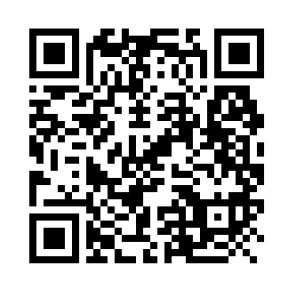
Scan for the current target list
Guide to BDS Boycott & Pressure Corporate Priority TargetingUse a boycott app
Apps such as No Thanks and Boycat include barcode scanners, allowing you to check any product for ties to Israel — complete with supporting evidence.


2Change your spending
Boycotts begin with individual choices, but the aim should be to turn those choices into habits that can be sustained.
Take the 10-minute spending audit
Think about the things you regularly spend money on:
Identify recurring purchases you want to change and find practical alternatives.
Tap a category to mark it as audited.
Build your switch list
Don’t stop at identifying what you want to avoid. Find the alternative.
| Current purchase | Alternative | Switched | Remove |
|---|
Where possible, consider Palestinian businesses, independent businesses or other suppliers that meet the criteria you are looking for.
Make the switch permanent
A boycott has little value if someone changes their purchasing for two weeks and then quietly goes back. Focus on realistic changes that can become your new normal.
Your 30-minute action
3Take the boycott beyond your own shopping
Some of the biggest opportunities for action may be sitting in organisations we already belong to. The BDS movement’s current campaigning guidance similarly emphasises organisational and institutional action alongside individual consumer boycotts — including procurement, contracts and investment decisions.
Local shops and restaurants
Approaching local shops and restaurants works best when you come prepared. Instead of simply asking “Why are you selling this?”, approach the business with:
- 1The productWhat are you asking them to reconsider?
- 2The evidenceWhy is it being targeted?
- 3Offer an alternativeMake it easier for them to change.
- 4OrganiseBring other customers, members or organisations behind the request.
- 5Follow upAsk what action has been taken.

Download our business letter
A ready-made one-page letter to help you approach local businesses respectfully, provide the relevant evidence and suggest alternatives.
humanaid.org/boycottbusMosques & community organisations
Ask your mosque, charity, Islamic centre, sports club or community organisation to carry out an ethical procurement review. Look beyond drinks served after Jummah. Consider:
The objective is not simply to tell an organisation what it should avoid. Give decision-makers enough information to find workable alternatives.

Create an ethical purchasing policy
Download our template policy, which your mosque or organisation can adopt and adapt.
humanaid.org/boycottsUniversities and workplaces
Find out who actually makes purchasing decisions. It might be:
- A procurement department
- A student union
- A society committee
- A catering contractor
- A pension committee
- A finance department
Then make a specific, evidence-based request. For example:
is considerably more actionable than:
Run a community switch week
Choose one achievable category and mobilise around it.
Soft drinks
Encourage local restaurants and community events to offer alternatives.
Events
Ask organisations to review what they purchase for large gatherings.
Local shops
Approach selected businesses with evidence and alternatives.
4Know what you are buying
Israeli and settlement produce
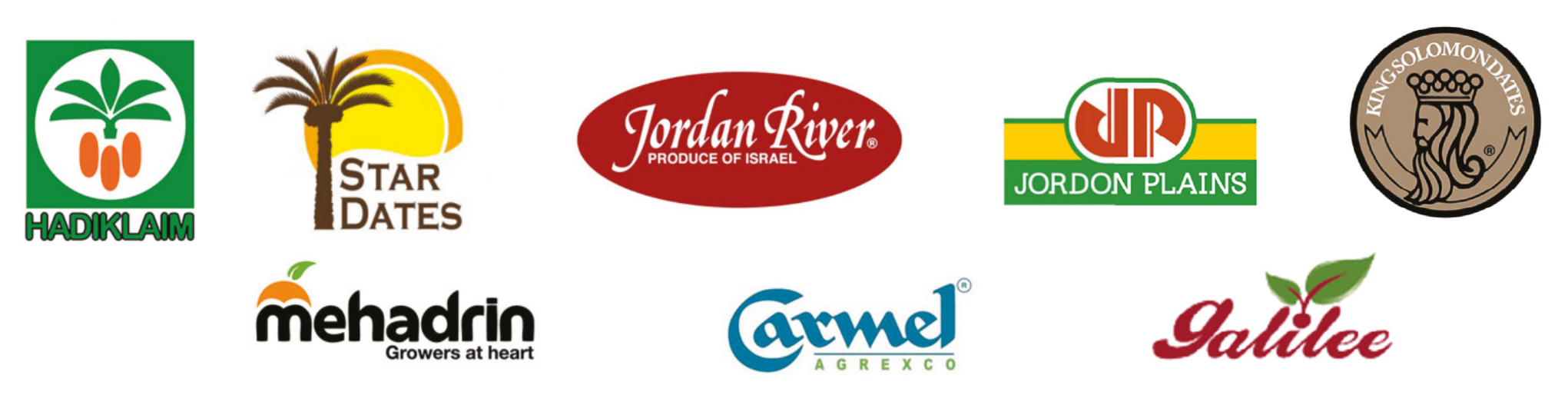
Check the label on date packaging and avoid products marked as originating from Israel, the Jordan Valley, or those with no country of origin listed.
Check before you buy
When purchasing dates, fruit, vegetables or other produce:
- Check the country-of-origin label.
- Distinguish Palestinian produce from produce originating in Israeli settlements.
- If the origin is unclear, ask the retailer.
5Measure our collective impact
Saying that boycotts matter is not enough — we want to show what they achieve. Tell us what you did, and we will publish the combined results of everyone using this guide.

What will you have achieved with your action?
- Strategic boycotts are not simply about refusing a particular drink, meal or product. They can encourage consumers to examine where their money goes, help communities redirect spending, and create organised pressure on businesses and institutions to review commercial relationships.
- Boycotts were a key tool in the global effort to dismantle apartheid in South Africa. With this historic precedent, it is clear that targeted, collective and sustained boycotts have a central role to play in undermining the colonial, apartheid Israeli regime.
Digital Campaigning and Public Pressure
What’s the problem?
Digital platforms allow ordinary people to challenge powerful institutions quickly and collectively. But public anger does not automatically produce change. Signing an unfocused petition, sending an unclear email or complaining to the wrong organisation can be easily ignored.
Effective digital campaigning means identifying who has the power to act, presenting clear evidence, making a specific demand and mobilising enough people to make inaction more difficult.
This applies to biased media coverage, but also to companies, universities, regulators, sporting bodies, cultural institutions and other organisations whose decisions can be challenged.
Example: bringing biased media to account
Mainstream media coverage is complicit in Israel’s crimes against Palestinians. It routinely echoes Israeli propaganda to justify atrocities, while minimising or ignoring the systemic abuses inflicted on Palestinians. Watch for these recurring techniques:
1Erasing the perpetrator
Passive language conceals responsibility: “Palestinians were killed” rather than identifying who killed them.
2Unequal sourcing
Israeli claims are presented as established fact, while Palestinian testimony and casualty figures are treated with suspicion or framed only as claims.
3Removing the context
Coverage begins with Palestinian resistance while erasing occupation, blockade, displacement, apartheid and the events that preceded it.
4Headlines that distort the report
A headline can minimise, sensationalise or contradict the article itself, knowing that many readers will never read beyond it.
Who has the ability to do something about it?
We do! The power of collective action can be harnessed to demand integrity and accountability from media organisations and other institutions. Misinformation and bias should never be tolerated.
What action can we take?
1Use NewsCord to expose bias and take action
NewsCord compares how different outlets report the same events, exposes what has been omitted and provides evidence-led analysis of recurring patterns in media coverage.
When reporting crosses the line, NewsCord launches targeted campaigns allowing members of the public to submit sourced complaints and letters to media organisations, regulators and other responsible institutions. Campaigns are available through newscord.org and the NewsCord app.
Open NewsCord
Compare the coverage
Choose a story and compare how different outlets have reported it. Look at the language used, the facts included or omitted, the sources treated as credible and the way responsibility is assigned.
Check the evidence
Use NewsCord’s analysis and Media Watchdog to examine the specific sentences, headlines or omissions being challenged. Read the underlying article and understand the basis of the complaint before taking action.
Submit and track
Choose a live campaign, review the complaint or letter prepared in your name and make any necessary amendments before submitting it. Follow the campaign to see whether the outlet, regulator or institution responds, corrects the record or refuses to act.
Unfair is not always a breach
A report can be selective, dehumanising or deeply unfair without technically breaching a particular code. Successful complaints identify a demonstrable problem such as inaccuracy, materially misleading presentation, unjustified omission or lack of due impartiality.
Filed is not the same as upheld
NewsCord’s campaigns distinguish between a complaint being filed and one being formally upheld — and so should we. Report outcomes accurately: a submitted complaint is not yet proof of a breach.
READ BEFORE YOU SEND
A complaint is being submitted in your name. Read it, check the evidence and make sure you agree with the demand. Never submit information you know to be false or present an allegation as though it has already been proven.
2Use Words of Justice to join a campaign
Words of Justice allows individuals and organisations to build and participate in coordinated digital campaigns. Instead of sending thousands of identical form letters, the platform can create unique messages based on the campaign, the recipient and the information provided by each participant.
Campaigns can target politicians, companies, universities, media organisations and other institutions with the power to act.
Choose a campaign
Browse current campaigns and select an issue you understand and support. Read the background, identify the target and make sure the campaign’s demand is clear.
Personalise your action
Provide the necessary information and review the email, call script, petition statement or public submission generated for you. Add a personal reason where relevant.
Complete and share
Send the email, make the call or submit the form. Then share the campaign with people who are genuinely connected to the issue and encourage them to take the action themselves.
The actions you can take with Words of Justice
Alongside its social media functions, Words of Justice supports:
Email campaigns
Send evidence-based and personalised messages to decision-makers, companies, media organisations or public bodies.
Click-to-call
Use a prepared call script to speak directly to an office or institution. Phone calls are harder to filter or reduce to a simple signature count.
Petitions
Demonstrate the scale of public support around one specific and achievable demand.
Public comments and consultations
Submit evidence to government consultations, regulators, councils or other bodies before a decision is made.
Official web forms
Complete complaints, submissions or representations through the institution’s own formal process.
Event and solidarity actions
Register support, attend relevant events or demonstrate visible public backing for a campaign.
Two platforms, two roles
Exposing media framing, evidencing failures, filing complaints and running targeted accountability campaigns.
Broader campaigns involving emails, calls, petitions, public comments, forms and institutional pressure.
NewsCord helps establish and evidence the case. Words of Justice helps mobilise public action across a wider range of targets.
3When there is no live campaign
If NewsCord or Words of Justice does not have a campaign covering the issue, you can still act directly. Identify the organisation responsible, find its official complaints or contact process and make a specific, evidence-based request.
Complaint procedures differ, so always use the organisation’s official route. Click below to go straight to the right place:
4Build a campaign that can win
- 1Identify the problem
What exactly has happened? Avoid turning a broad injustice into an unclear campaign.
- 2Find the decision-maker
Who has the authority to correct it, stop it, investigate it or change the policy?
- 3Make a specific demand
Ask for a correction, investigation, policy change, contract termination, public statement or another measurable action.
- 4Choose the pressure point
Use the route most relevant to the target: complaint, email, call, petition, consultation response or official form.
- 5Mobilise others
Give people accurate information, a clear action and a realistic reason to believe their involvement matters.
- 6Follow up and escalate
Record the response. If the organisation refuses to act, escalate to its regulator, governing body, funder, trustees, elected representatives or another appropriate authority.
5Other avenues of activism
Direct corrections and letters to editors
Not every issue needs to begin with a regulator. A precise letter identifying the inaccurate sentence, providing the correct evidence and requesting a specific amendment can sometimes secure a faster correction.
Public consultations
Government departments, councils, regulators and public bodies regularly invite submissions before changing policies — an opportunity to place evidence and public opposition formally on the record.
Freedom of Information requests
FOI requests can uncover correspondence, contracts, meeting records and internal decision-making. The British Museum campaign featured by NewsCord, for example, draws on internal emails obtained through Freedom of Information law.
Institutional complaints
Use the formal procedures of universities, councils, charities, professional bodies, sporting organisations and cultural institutions. Identify the relevant policy, code or public commitment rather than simply expressing disagreement.
Coordinated email and telephone days
Concentrate pressure within a defined period, particularly before a vote, meeting, deadline or public appearance — with one target and one clear demand.
Open letters and professional statements
Doctors, lawyers, academics, students, faith leaders and other groups can use their professional standing to show that opposition comes from organised constituencies, not isolated individuals.
Keep an evidence and response tracker
Record every stage of the campaign:
This prevents campaigns from disappearing after the initial burst of attention and provides evidence for further escalation.
What will you have achieved with your action?
Coordinated digital campaigning can force inaccurate reporting onto the public record, secure corrections, obtain responses from institutions and make ignored issues harder to bury.
Not every complaint or campaign will immediately succeed. But every properly evidenced action creates a record: what was raised, who was responsible, what was demanded and how the institution responded.
When that evidence is combined with sustained collective pressure, organisations can be forced to correct false claims, defend their decisions, review their policies or concede to public demands.
It is to turn outrage into organised, measurable pressure.
Lobbying Parliament
What’s the problem?
The UK government’s position on Palestine has shifted under sustained public pressure, but British complicity has not ended. Although the government has announced a ban on trade connected to illegal Israeli settlements and suspended some arms export licences, serious questions remain over continuing military cooperation, intelligence sharing, remaining arms licences and accountability for alleged war crimes.
These shifts demonstrate that political pressure can force movement. They also show why campaigns must continue after an announcement, until promises become enforceable policy and every loophole is closed.
Grassroots pressure works
In September 2026, the Labour government announced that the UK would ban imports from illegal Israeli settlements and restrict services supporting settlement activity.
This decision did not emerge in isolation. It followed years of sustained pressure from Palestinian organisations, campaign groups, lawyers, MPs and members of the public demanding that Britain end its economic involvement in an illegal occupation.
Human Aid & Advocacy formed part of this wider movement, including through its campaigning and its collaboration with NewsCord to help constituents contact their MPs and the Foreign Secretary.
Foreign Secretary Ed Miliband has himself acknowledged that Labour’s earlier position fell short and recognised the role of critics and activists in forcing political change.
The victory demonstrates that our efforts are not in vain. One email may not change government policy on its own, but thousands of emails, meetings, campaigns, legal challenges and public interventions can make continued inaction politically impossible.
No single organisation can claim this victory alone. It belongs to a movement that maintained pressure when the government believed the demand could be ignored.
Below are three key political issues that currently demand our continued and collective pressure on elected representatives:
Enforce the settlement trade ban
Ensure the ban covers goods, services, finance, investment, brokering and attempts to disguise settlement products as originating from Israel.
 Scan or click link to join our No Loopholes campaign
End UK military complicity
Press the government to end all arms exports and military assistance that could contribute to violations of international law.
Investigate alleged war crimes by British nationals
A 240-page complaint concerning British nationals who fought in Gaza was submitted to the Metropolitan Police. The Met initially declined to investigate, but reportedly reopened the case in July 2026.
Who has the ability to do something about it?
Many are justifiably sceptical about the effectiveness of lobbying MPs, given the political establishment’s deep alignment with Israeli interests and the reality that individual MPs rarely influence foreign policy unless there’s major cross-party consensus.
However, we believe lobbying Parliament remains a vital avenue for advocacy. An MP is a route into Parliament, government departments, committees, debates and the public record:
- Grassroots pressure can lead to parliamentary questions, debates, or votes on the issue.
- It can help push the Overton Window (the range of ideas and policies considered acceptable in public discourse) in favour of the Palestinian cause.
- Some MPs may already be sympathetic but need popular pressure to act.
- As the settlement trade ban shows, demands once dismissed as unrealistic can become government policy.
What action can we take?
1Take part in a live campaign
Check for the latest digital pressure campaigns by NewsCord, Human Aid & Advocacy, Palestine Solidarity Campaign (PSC) and others. These campaigns allow you to contact your constituency MP, relevant ministers and other decision-makers using evidence-based letters written around a specific demand.
Enter your details, read the letter carefully, make any changes you feel are necessary and approve it before it is sent in your name.
Campaign tools such as the HAA–NewsCord collaboration can:
- Match you with your constituency MP
- Send separate letters to MPs and relevant ministers
- Personalise each submission
- Let you review the wording
- Record how many actions have been taken
- Keep you updated as the campaign develops
- Change the demand as the political situation develops
2Know what to ask your MP to do
A successful meeting is not simply one in which the MP listens sympathetically. It ends with a specific commitment. Ask your MP to take one or more of these actions:
Why questions matter: Parliament itself states that questions can secure information or commitments and place a minister’s answer on the official record. MPs can also seek debates, present petitions and use committees to scrutinise government action.
Be realistic about EDMs: Early Day Motions can demonstrate support and publicise a cause, but they are rarely debated and should not be treated as the strongest available action.
How one letter travels through Parliament
- YouWrite to your MP with one clear demand
- Your MPAsks a question or writes to a minister
- The ministerIs required to respond
- The public recordThe answer is published in Hansard
- Pressure buildsIgnored demands become harder to dismiss
“Demands once dismissed as unrealistic can become government policy.”
3Meet them at their local surgery (the address will be on their website)
MPs hold regular constituency surgeries where they meet local residents to hear their concerns — an ideal opportunity to raise your issue directly. Check their official website or contact their office to book an appointment.
Before the meeting
- Attend as a small constituency delegation where possible
- Agree on one central demand
- Bring a one-page briefing with the evidence and requested action
- Decide who will introduce the issue, present the evidence and record commitments
- Prepare two or three direct questions
- Know what parliamentary action you want the MP to take
During the meeting
Ask for a specific commitment:
After the meeting
Send a short written summary thanking the MP and recording what they agreed to do. Give a reasonable deadline and follow up.
UK Parliament advises constituents to follow up by telephone or request a surgery appointment if they have not received a response after approximately two weeks.
Advice
-
Research your MP before reaching out. TheyWorkForYou (www.theyworkforyou.com) is a useful starting point, but also check:
Official Parliament profile Hansard contributions Written parliamentary questions Voting record Select committee memberships Government or shadow-government positions Relevant public statements Register of financial interests Previous correspondence with constituents Minister, whip, PPS or backbencher?An MP’s position affects what they can realistically be asked to do — ministers, whips and Parliamentary Private Secretaries do not normally sign EDMs, for example. Membership of Labour Friends of Israel or Conservative Friends of Israel remains relevant, but it is one part of the research, not the main test: votes, questions, speeches and willingness to take action provide stronger evidence of their actual position.
Show your MP that the demand has organised support within the constituency. This could include a joint letter from local organisations, a list of constituent signatories, a delegation representing several groups or evidence from community meetings.
Be firm, factual and respectful. MPs should be challenged over their decisions and constituents are entitled to explain that an issue will influence how they vote. However, never use abuse, harassment, personal threats or coercion.
If your MP is already supportive of Palestine, pressure them to take more decisive steps from the actions above.
Encourage your friends and family to take part in live campaigns and contact their own MPs — our impact increases with every voice added.
4Climb the pressure ladder
Not every campaign should begin and end with one email. Turn lobbying from a single act into a sustained relationship and accountability process.
- STAGE 1ContactSend a personal, constituency-based letter with one clear demand.
- STAGE 2Follow upTelephone the office and request a written response.
- STAGE 3MeetAttend a surgery with a briefing and a specific parliamentary request.
- STAGE 4OrganiseBring together local mosques, charities, professionals, students and community leaders.
- STAGE 5EscalateRequest public action, contact the relevant minister, approach a select committee or organise coordinated constituency pressure.
- STAGE 6RecordPublish what the MP was asked, what they promised and what they actually did.
5Keep an MP accountability tracker
| MP | Contacted | Replied | Meeting held | Commitment made | Action taken | Follow-up date | Remove |
|---|
Share your records with HAA. Email your completed tracker and any progress updates to advocacy@humanaid.org. Together, your records help us understand:
- Which MPs are supportive
- Which MPs need more pressure
- Which MPs make commitments but fail to act
- Which arguments receive meaningful responses
- Where constituency delegations should be organised
- Whether a campaign is producing parliamentary questions, letters or debates
!Only verified actions and public statements should be published.
What will you have achieved with your action?
Lobbying does not produce change through one email or one meeting. It works by building sustained political pressure: placing issues on the parliamentary record, forcing ministers to answer questions, demonstrating constituency support and making continued inaction politically costly.
The government’s announcement of a ban on trade with illegal Israeli settlements is proof that demands once dismissed as unrealistic can become government policy. That victory was built through years of campaigning, public mobilisation, legal advocacy and pressure from constituents.
The work does not end when a policy is announced. Campaigners must follow its implementation, expose loopholes and ensure that promises become enforceable action.
Every letter, telephone call, meeting and parliamentary intervention adds to that pressure.
Supporting the Movement
What’s the problem?
Humanitarian aid saves lives and remains indispensable. But aid alone cannot end the policies and systems that repeatedly create humanitarian crises. Lasting change also requires organised advocacy, legal accountability, political pressure and sustained support for those building Palestinian power and defending Palestinian rights.
How can organised support create change?
Specialist organisations turn public concern into sustained action. They gather evidence, bring legal cases, defend campaigners, conduct research, train communities and coordinate campaigns that individuals could not deliver alone. Your support can take three forms:
GIVE
Provide regular financial or material support.
CONTRIBUTE
Offer time, skills, expertise or community access.
MOBILISE
Bring others behind verified campaigns and calls to action.
What action can we take?
1Choose where your support can make a difference
Organisations play very different roles. Choose one whose work reflects your priorities. This is a small, carefully selected list — not an exhaustive directory.
PAL Commission
palwarcrimes.orgA Palestinian-led legal initiative working to document alleged crimes, submit legal complaints, challenge the sale of unlawfully appropriated Palestinian property and pursue accountability, reparations and the right of return.
Global Legal Action Network (GLAN)
glanlaw.orgWorks with affected communities to pursue innovative legal action across borders. Its Palestine-related work includes challenges concerning UK arms exports, corporate involvement in illegal settlements and accountability for alleged international crimes.
Riverway to the Sea
riverwaytothesea.orgA legal education and advocacy organisation producing accessible analysis, public events and strategic legal work relating to Palestinian rights and the political and legal structures sustaining Zionism.
European Legal Support Centre (ELSC)
elsc.support/defendProvides free legal advice and assistance to individuals and organisations facing restrictions, discrimination or reprisals because of their advocacy for Palestine, and undertakes strategic litigation, research and campaigning against the repression of Palestine solidarity.
Support our advocacy work
Human Aid & Advocacy combines humanitarian action with campaigns addressing the policies and systems that produce injustice. Supporters can donate, participate in campaigns and help bring HAA’s advocacy into their communities and institutions.
humanaid.org/appeals/advocacy2Find the right way to contribute
Support is more than following an organisation or giving money. Everyone can contribute something meaningful, whatever their finances:
- £Become a regular donor
- ✦Volunteer relevant professional skills
- ⌂Join a local branch or campaign group
- ✎Attend briefings and training sessions
- ☺Host a fundraiser or community event
- ↗Amplify verified campaigns
- ✉Provide evidence or testimony through an organisation’s designated channels
- ⇄Introduce campaigns to mosques, workplaces, universities, unions and professional bodies
3Choose, commit and mobilise
- 1
Choose an organisation to support
Select an organisation whose work reflects your priorities: legal accountability, political campaigning, digital rights, public education or protection of advocates.
- 2
Commit to sustained support
One regular contribution is usually more useful than occasional engagement. This might mean a monthly donation, volunteering several hours, joining a local group or regularly promoting verified campaigns.
- 3
Bring the work into your networks
Introduce campaigns and briefings to your mosque, workplace, union, professional association, university or community organisation. Collective support is more powerful than isolated individual action.
- 4
Follow the organisation’s lead
Use official channels and respond to clearly defined requests. Avoid sending unverified material, overwhelming organisations with general enquiries or launching activity in their name without permission.
- 5
Review your contribution
Every three months, ask:
Your notes are saved on this device only.
What will you have achieved with your action?
By contributing money, skills, time or community support, you help sustain the infrastructure behind effective advocacy. Your support can enable evidence to be documented, legal cases to be pursued, campaigners to be defended, communities to be organised and coordinated pressure to continue long after public attention has moved elsewhere.
Help build its capacity.
Reading and Resources
Knowledge is essential to effectively advocate for Palestine. It is the key to understanding the historical, political, and social context that will enable us to raise awareness, counter misinformation, and support the pursuit of justice and Palestinian self-determination.
Below is not an exhaustive list but will help guide you towards a greater understanding of Palestine and provide you with the tools to be an advocate for our brothers and sisters in Palestine.
Books
- Palestine: A Beginner’s Guide by Ismail Adam Patel
- The Hundred Years’ War on Palestine by Rashid Khalidi
- The Ethnic Cleansing of Palestine by Ilan Pappe
- An Oral History of the Palestinian Nakba by Nur Masalha and Nahla Abdo
- Palestine: A Four Thousand Year History by Nur Masalha
- Gaza: An Inquest into Its Martyrdom by Norman Finkelstein
- I Saw Ramallah by Mourid Barghouti
- In Search of Fatima: A Palestinian Story by Ghada Karmi
- My People Shall Live by Leila Khaled
- Perfect Victims by Mohammed El Kurd
- The Israel Lobby and US Foreign Policy by John J Mearsheimer & Stephen M Walt
- Palestinians: The Invisible Victims by James J. Zogby
- Hamas: Unwritten Chapters by Azzam Tamimi
- Unveiling Tyranny: The Genocide in Gaza & False Zionist Narratives on Palestinehttps://sapienceinstitute.org/unveiling-tyranny/
No books match your search.

Articles & Website Resources
- Palestine 101 by DecolonizePalestinehttps://decolonizepalestine.com/introduction-to-palestine/
- Myths database by DecolonizePalestinehttps://decolonizepalestine.com/myths/
- Pali Answers: A database of short responses to Zionist lieshttps://palianswers.com
- Are we indeed all Palestinians? by Mohammed El Kurdhttps://mondoweiss.net/2024/03/are-we-indeed-all-palestinians/
- Jewish settlers stole my house. It’s not my fault they’re Jewish by Mohammed El Kurdhttps://mondoweiss.net/2023/09/jewish-settlers-stole-my-house-its-not-my-fault-theyre-jewish/
- The Interview: Leila Khaled by Marta Vidalhttps://newint.org/features/2023/06/05/interview-leila-khaled-palestine
- Dockworkers and Labor Activists Can Block the Transport of Arms to Israel by Rafeef Ziadah and Katy Fox-Hodesshttps://jacobin.com/2023/11/dockworkers-port-blockade-israeli-arms-solidarity-union-activism-gaza-war
- Judaism vs Zionism in the Holy Land by Professor Yakov Rabkinhttp://www.palint.org/article.php?articleid=19
- Christian Zionism: Road-map to Armageddon? By Stephen Sizerhttp://www.palint.org/article.php?articleid=16
- Challenging Zionism by Roland Rancehttp://www.palint.org/article.php?articleid=15
- Unplug and play: Manufacturing Collapse in Gazahttps://biblio.ugent.be/publication/4141862
No articles match your search.
Media
- Al Nakba (4-part documentary)http://www.aljazeera.com/programmes/specialseries/2013/05/20135612348774619.html
- The Zionist Storyhttps://www.youtube.com/watch?v=wA1lDow-0rk
- How Israel was Createdhttps://www.youtube.com/watch?v=kI_spMxp6t8&ab_channel=AlJazeeraEnglish
- Gaza Fights for Freedom (2019)https://www.youtube.com/watch?v=HnZSaKYmP2s&ab_channel=EmpireFiles
- Investigating war crimes in Gazahttps://www.youtube.com/watch?v=kPE6vbKix6A&t=10s&ab_channel=AlJazeeraEnglish
- October 7https://www.youtube.com/watch?v=_0atzea-mPY&t=18s&ab_channel=AlJazeeraEnglish
- A Conversation Between the Sword and the Neckhttps://www.youtube.com/watch?v=oHgZdCJOUAk
- We Teach Life, Sirhttps://www.youtube.com/watch?v=aKucPh9xHtM
No media match your search.
Social Media Activism
What’s the problem?
As social media platforms have become the primary news source for younger generations, pro-Israeli activists—aware of this reality—are working tirelessly to mobilise and dominate this space to control the narrative and manipulate public opinion.
Who has the ability to do something about it?
We Do! Since the onset of the Israeli genocide, social media platforms have been instrumental in exposing truths suppressed by mainstream media while also challenging pro-Israeli talking points. This is practical proof that our collective voice can break through the wall of pro-Israeli propaganda in ways that were not available to previous generations.
If you’re not already on social media, consider joining X, Instagram, Facebook, or TikTok—they’re powerful tools in the fight to shape the narrative. Even committing to just 5 minutes a day can make a real difference in challenging misinformation and amplifying the truth.
What action can we take?
1Use Words of Justice: An AI tool to help win the propaganda war
Words of Justice is a free grassroots advocacy platform that helps people counter disinformation, create evidence-based content and take part in coordinated campaigns. It can generate social media replies, original posts, emails, call scripts and other campaign materials using curated, cited sources.
It is available through wordsofjustice.org and as a dedicated app for iPhone, iPad and Android, officially listed on both the Apple App Store and Google Play.
Open Words of JusticeHow to use Words of Justice
Find the moment
Open Words of Justice and select a cause and social media platform. Browse the social media feed to select a post you want to either support or refute.
Create your response
Click “Support with AI” to craft your response. You can then curate the response by altering the tone and length to suit the audience and objective.
Check and personalise
Proofread and fine-tune your reply before posting so that it’s your own voice. Once you are satisfied, share it on your chosen platform and engage with relevant accounts and conversations to help the message reach a wider audience.
Your 5-minute digital action
Make social media activism part of your daily routine by committing at least five minutes each day:
2How to maximise your impact on social media
Each platform rewards different kinds of engagement. Use each one for what it does best:
X is particularly useful for breaking news, public debate and challenging journalists, politicians and institutions in real time.
Instagram is particularly powerful for visual storytelling and turning information into content people can easily redistribute.
TikTok is especially effective for reaching people beyond your existing followers, including audiences who may not already follow Palestine-related accounts.
Facebook remains particularly useful for community organising, local networks and reaching audiences that may be less active on TikTok, Instagram or X.
Should I respond?
✓Respond when:
✕Do not engage when:
3General advice when engaging in social media
What will you have achieved with your action?
Zionists are increasingly panicked by their unprecedented loss of control over the narrative during the ongoing genocide, responding with smear campaigns against pro-Palestinian voices and calls for censorship and suppression of free speech. Rather than deter us, this should strengthen our resolve to expand our presence on social media, amplify our message, and become the leading voices for truth and justice as the mainstream media continues to fade into irrelevance.